Heel Pain & Foot Arch Issues: Why Every Step Hurts (And How to Fix It)
Heel pain is one of the most common and most misunderstood foot problems. If it feels like you’re walking on glass first thing in the morning, or your arch aches after a long day, there’s usually a mechanical reason behind it. The good news? Most heel and arch pain is treatable with the right assessment and plan.
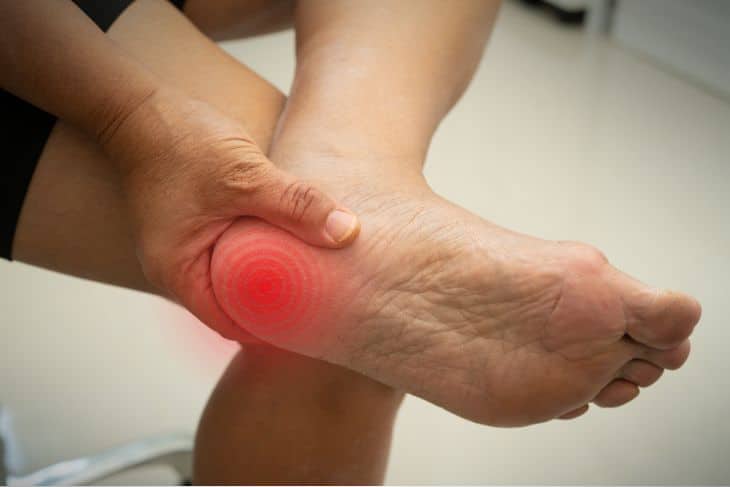
Heel Pain Isn’t “Just” Annoying, It Can Take Over Your Life
That pain in your heel? It starts small, like a twinge when you get out of bed or a dull ache after your walk. Then suddenly you’re limping through the supermarket and skipping your daily exercise.
We see this every week at Greater Western Health. And most people say the same thing: “I thought it would just go away.” But heel pain rarely disappears on its own if the underlying stress remains.
What Causes Heel and Arch Pain?
1. Plantar Fasciitis
This discomfort is usually caused by the overstraining of the thick band of tissue along the arch, and is often worse in the morning.
2. Flat Feet
Flat feet increase tension on the plantar fascia and Achilles tendon, which multiplies stress through the arch.
3. Tight Calf Muscles
When your ankle mobility is limited, every step you take can put extra strain on your heel.
4. Poor Footwear
Unsupportive shoes (yes, even trendy soft sneakers) can actually throw your feet out of balance. It is important to choose footwear that supports and protects your feet
5. Overuse Without Conditioning
Sudden increases in walking, running, or standing time.
The Most Common Mistakes People Make
We often notice patterns when it comes to heel pains. The longer heel pain persists, the more the nervous system becomes sensitised. But the good news? Acting quickly can lead to a quicker recovery. This makes it tougher to find relief. By avoiding these mistakes, you can set yourself up for a smoother recovery journey:
Buying chemist insoles
They provide comfort, but they won’t fix your form.
Relying on cortisone
While it may dull the pain, it does not fully address the underlying issue at hand.
Waiting too long
Chronic inflammation lingers far longer than the initial twinges of irritation, making it a more stubborn challenge to overcome.
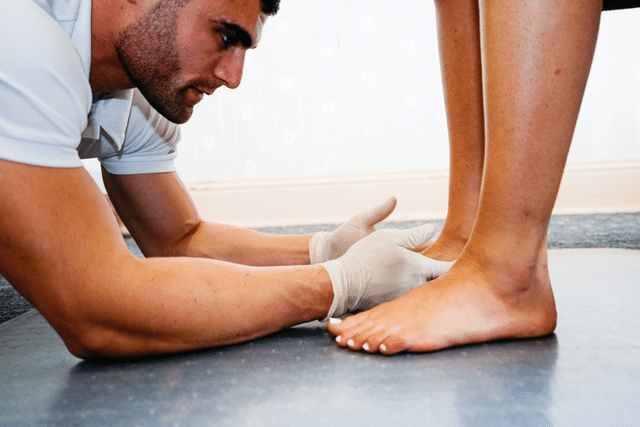
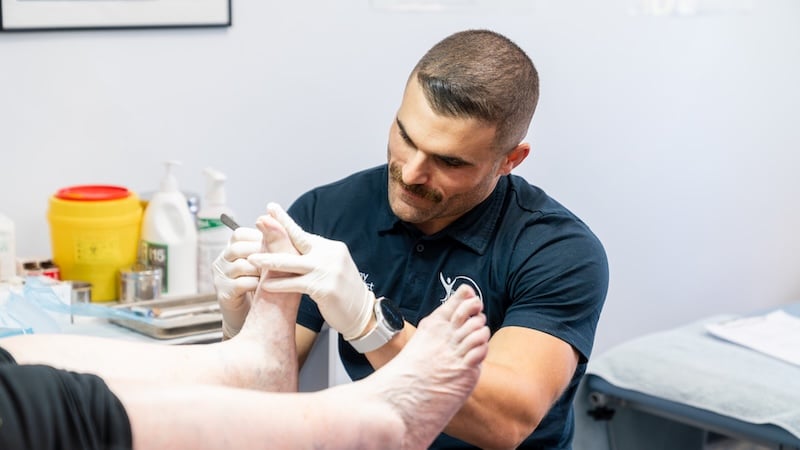
What Happens at a Podiatry Assessment?
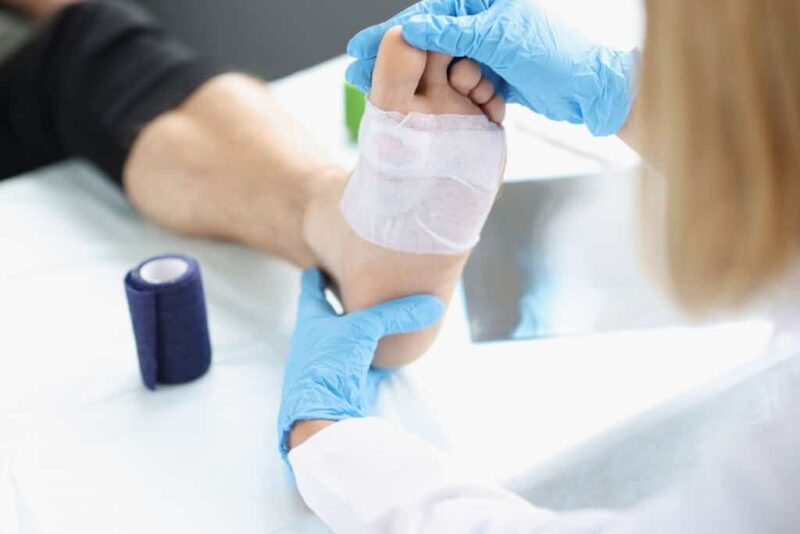
Your first appointment is more than just a quick look at your heel. We use a blend of clinical testing, the precision of a goniometer, and our wealth of experience to thoroughly assess your:
- Foot posture
- Joint mobility
- Muscle strength
- Gait mechanics
- Footwear wear patterns
- Training or workload history.
When it comes to identifying plantar fasciitis, it’s all about paying attention to the unique symptoms and physical tests that set it apart from conditions like nerve pain or bursitis. Understanding these differences can lead to more effective treatment and relief.
Custom Orthotics vs Off-the-Shelf Inserts
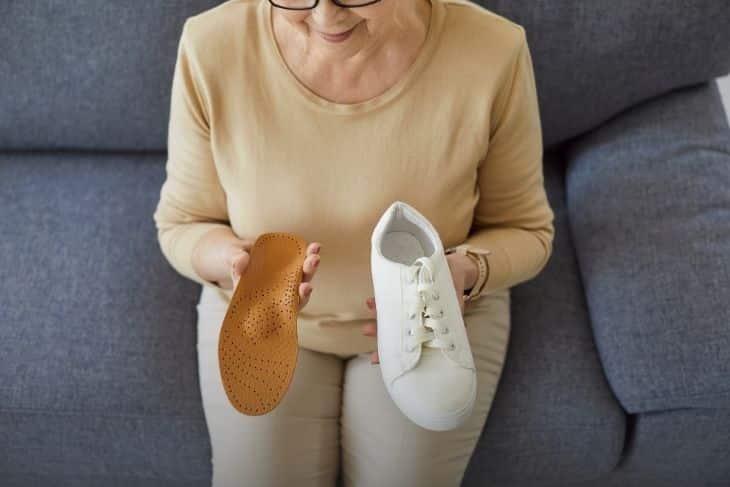
Heel pain can absolutely resolve without surgery or medication. Our custom orthoses redistribute stress and support ideal biomechanics. Here’s the difference:
Off-the-Shelf | Custom Orthotics |
Generic cushioning | Designed for your exact foot posture |
Adds arch height | Controls force distribution |
Temporary comfort | Long-term load management |
One size fits most | Individually prescribed |
What Recovery Actually Looks Like
Typical timeframe: 1 to 3 months for most cases. We don’t aim for endless maintenance. We aim to fix the problem properly. But recovery isn’t passive. A strong recovery plan includes:
- Calf and foot strengthening
- Gradual load progression
- Supportive footwear
- Addressing contributing weaknesses
How to Stop Heel Pain from Coming Back
Most people don’t need ongoing care, they simply need a solid plan and a commitment to consistency. When it comes to long-term prevention, it’s all about taking proactive steps today for a healthier tomorrow, such as:
- Continuing strengthening 3 to 6 months
- Wearing appropriate shoes
- Monitoring activity spikes
- Early check-ins if symptoms return
Key Takeaways
- Heel pain is mechanical overload, not random.
- Early treatment = faster recovery.
- Cushioning alone won’t fix structural stress.
- Strength + support = long-term solution.
You Don’t Have to Live With Heel Pain
If every morning step feels sharp and if walking has become something you brace for, it’s time to look deeper. At Greater Western Health, we focus on identifying what’s actually driving your pain and building a plan that restores strength and confidence in your steps. If you’d like clarity on what’s going on with your foot, you can get in touch with our team, and we will get you moving comfortably again.
WE ARE PROUD PARTNERS OF