Back Pain Relief & Recovery: From First Twinge to Full Strength
Back pain is common, but it doesn’t have to become your “new normal.” Whether it’s a sharp twinge or an ache that won’t let go, back pain impacts everything, from how you move to how you sleep, work, and feel. At Greater Western Health, we combine expert assessment with hands-on care and real-world strategies to help you relieve pain now and prevent it from coming back.

When Back Pain Won’t Go Away
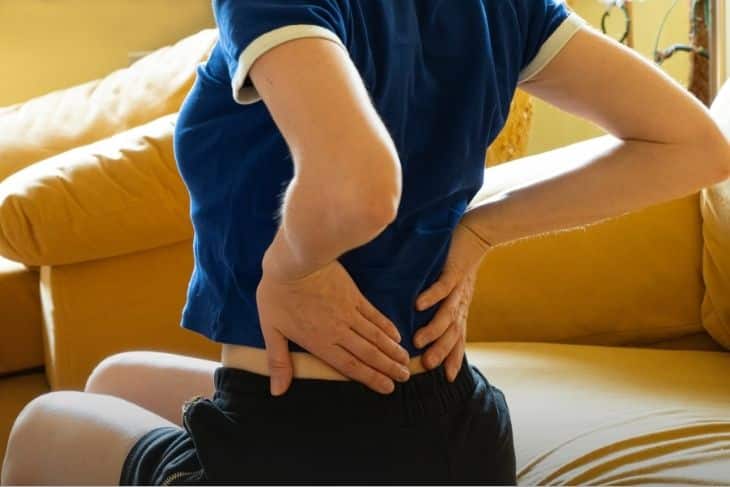
Back pain can wear you down, physically and emotionally. At first, it’s a minor discomfort, then one day, it stops you from picking up your child or sitting through a movie. Sleep suffers. You move less. And you start wondering if this is just how life is now.
Let’s be clear: it’s not. You don’t have to live in pain. And you’re not alone. At Greater Western Health, we help patients every day who feel stuck, frustrated, or afraid to move. And we help them recover, step by step.
Common Causes of Back Pain (And Why It Keeps Coming Back)
Back pain rarely comes from one moment. More often, it builds up over time. Roughly 70% of our patients develop back pain gradually. It’s not a single injury, it’s years of habits, stiffness, or weakness finally catching up.
Most common causes we see in the clinic:
- Poor posture from slouching, sitting too long at a desk or driving
- Muscle strain from lifting, twisting, or heavy activities during weekends
- Disc issues, like bulging or herniation, especially in the lower back
- Arthritis or age-related degeneration
- Stress and tension (your back holds more emotion than you think)
Even acute back pain often has an underlying pattern. This includes tight hips, poor core strength, or repeated strain that is making a small triggering pinch feel like a great injury.

First 48 Hours: How to Relieve Back Pain Safely
Should I rest or move?
In most cases, gentle movement is better than full rest. Unless advised otherwise by your provider, staying still for too long can actually slow recovery.
- Use ice for when you have fresh injuries or feel sharp pain.
- Use heat for when you feel tightness, have muscle spasms, or have a lingering stiffness.
Safe stretches we often recommend:
We always recommend that you move within a pain-free range and see a professional early if pain persists or worsens.
- Knee-to-chest stretch (relieves lower back pressure)
- Cat-cow movement (improves spine mobility)
- Lumbar rotation (loosens the back gently)
- Hip flexor and hamstring stretches (tight hips often worsen back pain
The Professional Treatment We Provide
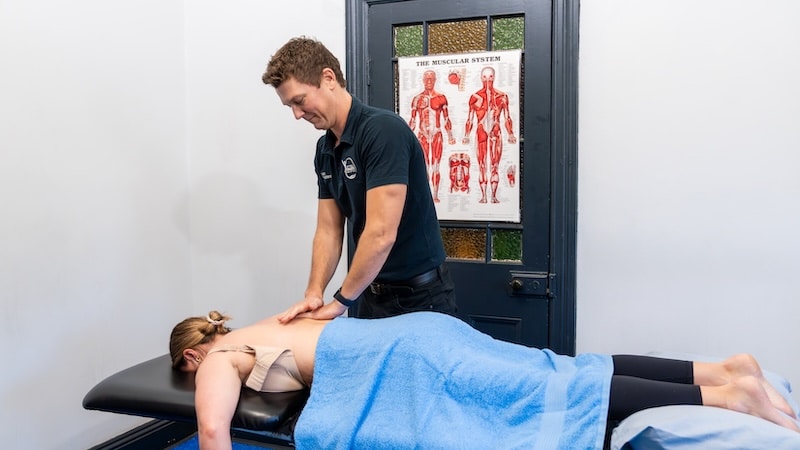
At Greater Western Health, we don’t chase symptoms. We fix the root cause. Our expert team of physiotherapists combine evidence-based techniques across chiropractic, physiotherapy, and massage to build a care plan that works for your body and your goals.
Your treatment may include:
- Spinal adjustments or gentle joint mobilisation
- Soft tissue therapy to reduce tension
- Rehabilitation exercises for strength and flexibility
- Dry needling, strapping, or heat therapy (when needed)
- Ergonomic and posture coaching for work or home
- Referrals to GPs, physios, or specialists for complex cases
What Recovery Looks Like (and How to Stay Motivated)
We want to relieve you from your back pain faster, but progress isn’t always linear. Here’s a timeline of recovery you can expect after your treatment:
- Acute muscular pain: 2 to 6 weeks
- Disc-related issues: 6 to 12 weeks
- Chronic pain: Functional improvement over 3 to 6 months
As experts who are concerned with your physical and mental well-being, we set goals that are tied to your life: lifting your kids, returning to sport, and sitting through a workday pain-free. At the same time, we also keep track of your small wins and milestones like better sleep, longer walks, and less medication.
- Chris, 42, developed acute back pain while lifting boxes.
- Week 1 to 2: Adjustments + soft tissue therapy
- Week 3: 50% less pain, sitting longer
- Week 6: Back to work and sport, no pain
- At 3 months: Still symptom-free, maintaining exercises

How to Stop Back Pain from Coming Back
We believe that prevention does not equal perfection. But it can be achieved through smart habits that are done consistently. Pain-free days come from the small things you do every day, not just what happens in the clinic.
Daily habits we teach every client:
- Taking posture breaks every 30 to 45 minutes
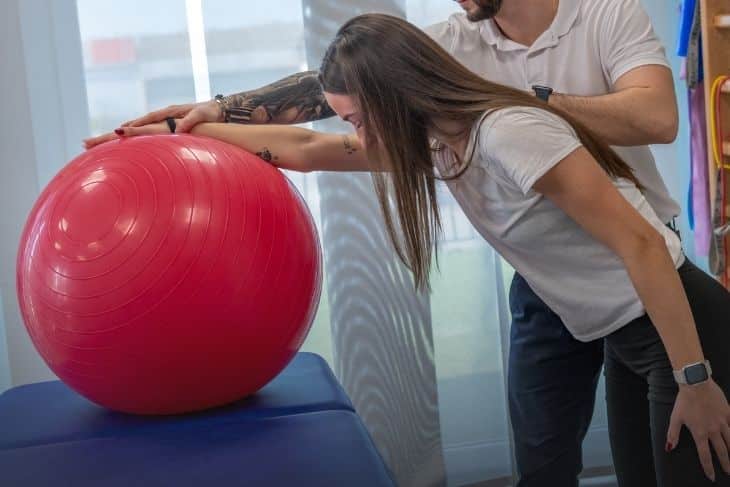
- Keeping the core strong (planks, bridges, glute exercises)
- Sleeping on a supportive mattress with a good pillow alignment
- Lifting objects with your legs, not your spine
- Managing stress by breathing practices, walking, and downtime
- Wear supportive shoes (especially if standing all day)
Know the Warning Signs Before It Gets Worse
Act early if you notice:
- Pain that’s sticking around longer than a few days
- Numbness, tingling, or pain in your leg
- Stiffness that’s affecting daily movement
- Flare-ups after minor lifting or sitting
- Changes to posture, walking, or balance
- Disrupted sleep due to pain
You Don’t Have to Accept Back Pain as “Just Life”
You’ve got one back, and it’s meant to move, support, and serve you through everything from parenting to working to simply living. Let’s get you back to that.
WE ARE PROUD PARTNERS OF